
How to Become a Butcher in Australia: Skills, Tools & Career Tips
Date Posted:18 March 2026
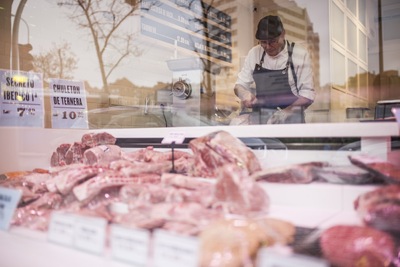

If you've ever wondered what it takes to build a career behind the counter of a busy butcher shop, you're not alone. Butchery is a hands-on, rewarding trade that blends practical skill with deep knowledge of meat products - and in Australia, demand for qualified butchers is on the rise. Whether you're a school leaver exploring your options or a career changer looking for something more tangible, this guide will walk you through how to become a butcher, the training pathways available, and what you can expect from a career in the meat industry.
What Does a Butcher Actually Do?
A butcher's job goes well beyond simply cutting meat. Day to day, butchers select, prepare, trim, and arrange meat cuts for sale and supply. They advise customers on the best cuts for different dishes, help with menu planning, and ensure that every product meets strict food safety and hygiene standards. Depending on the role, you might also operate processing machines for grinding, mincing, and sausage making, or prepare specialty items like marinated cuts, crumbed products, and smallgoods.
There are several types of butchers you can become. A retail butcher works in shops and supermarkets, selling fresh meat directly to customers. An industrial butcher operates in larger-scale meat processing facilities, supplying restaurants and wholesale buyers. Specialty roles also exist, including halal butchers, kosher butchers, and nose-to-tail butchers who focus on using every part of the animal to minimise waste.
How to Become a Certified Butcher in Australia
So, how to become a certified butcher? The most direct route in Australia is through an apprenticeship combined with a nationally recognised qualification. The key credential is the Certificate III in Meat Processing (Retail Butcher), which is the industry-standard qualification that prepares you for full trade registration.
A butchery apprenticeship typically lasts up to four years and combines on-the-job training with classroom-based learning through a registered training organisation (RTO). During your apprenticeship, you'll learnknife skills, meat processing techniques, hygiene and safety procedures, customer service, and retail knowledge - all while earning a wage with an approved employer.
Training providers across Australia offer this qualification, including TAFE NSW, TAFE Queensland, South West TAFE in Victoria, William Angliss Institute in Melbourne, South Metropolitan TAFE in Western Australia, and TAFE SA. Many of these providers deliver training through a blend of block release sessions on campus and practical experience in the workplace.
Once you've completed your Certificate III, you can become eligible for registration with the Australian Meat Industry Council (AMIC), which certifies butchers throughout Australia. This is the pathway that qualifies you as a trade-recognised, certified butcher.
Essential Skills for the Job
Butchery is a physically demanding trade that requires a solid mix of technical ability and people skills. Here are some of the core skills you'll need to develop:
- Knife skills and meat preparation - precision cutting, boning, trimming, and portioning are at the heart of the job. Investing in qualitybutcher boning knives andslicing knives from the start will help you build good technique.
- Food safety and hygiene knowledge - understanding Australian food safety standards is essential to protect both customers and your business. This includes wearing the rightprotective apparel, such asmesh gloves andmesh aprons.
- Customer service - especially in retail settings, being able to offer friendly, knowledgeable advice on cuts and cooking methods is a big part of the role.
- Physical stamina - you'll spend long hours on your feet, often in cool environments, lifting and handling heavy products. Propergumboots andsafety equipment make a real difference.
- Attention to detail - quality meat preparation requires care and consistency, from selecting the right cuts to maintaining presentation standards.
Tools of the Trade
Having the right equipment is just as important as having the right skills. As a butcher, you'll rely on a core set of tools every day. Professional-grade knives are your most important investment - from boning and skinning knives to chef and carving blades. Keeping them sharp is critical, so qualitysharpening steels and stones are essential.
Safety gear is non-negotiable in the meat industry.Cut-resistant gloves,mesh aprons, andprotective sleeves guard against knife injuries, while items likechains, belts, and scabbard pouches keep your workspace organised and efficient. If you're just starting your apprenticeship, anapprentice kit or butcher pack is a convenient way to get everything you need in one go.
Training Pathways and Courses
Australia offers several training pathways into the meat processing industry, depending on where you are in your career:
Certificate II in Meat Processing (Food Services) - an entry-level traineeship ideal if you're just starting and want to test whether the industry is right for you. This course covers foundational skills for working in a meat processing environment.
Certificate III in Meat Processing (Retail Butcher) - the core trade qualification delivered through an apprenticeship. This is the course you need to become a fully qualified butcher, covering everything from meat cuts and food safety to retail operations and customer service.
Short courses and skill sets - some providers offer standalone units or short courses in areas like smallgoods production, food safety, and advanced cutting techniques, which can help experienced butchers upskill or specialise.
Enrolment is available through TAFE campuses and private RTOs in every state and territory. Many courses are government-subsidised, making them accessible and affordable for apprentices.
Career Opportunities and Salary
The meat industry in Australia offers strong employment prospects. Full-time butcher employment is projected to grow steadily, and qualified butchers are consistently in demand across retail shops, supermarkets, and meat processing facilities.
In terms of salary, butchers in Australia typically earn between $55,000 and $75,000 per year, depending on experience, location, and the type of employer. Entry-level positions start lower, while experienced butchers - particularly those managing a shop or running their own business - can earn well above that range.
Beyond working for someone else, butchery is a trade that lends itself well to entrepreneurship. Many qualified butchers go on to open their own shops or specialty meat businesses, tapping into growing consumer interest in ethically sourced, high-quality, and artisanal meat products.
Tips for Getting Started
If you're still in school or just beginning to explore this career, there are practical steps you can take right now. Seek casual or part-time work in a butcher shop or supermarket meat department to get hands-on experience. Look into pre-apprenticeship programs, which provide industry exposure and can help you decide whether butchery is the right fit. Learn as much as you can about food safety and hygiene - this foundational knowledge will give you a head start.
When you're ready to commit, find an employer willing to take you on as an apprentice and enrol in your Certificate III through a local TAFE or training provider. The combination of practical experience and formal qualification is what will set you up for a long and successful career in this trade.
Get Kitted Out for Your Butchery Career
Starting an apprenticeship or looking to upgrade your gear?Mars Safety is a family-owned Australian supplier with over 30 years of experience equipping butchers with professional knives, safety equipment, mesh apparel, andapprentice starter kits. Browse their full range ofbutchery tools and safety gear to make sure you're prepared from day one.
Frequently Asked Questions
What education is required to become a butcher?
There are no strict academic prerequisites to enter a butchery apprenticeship, though completing high school is recommended, particularly in subjects like Food Technology, Biology, or Agriculture. The essential qualification is the Certificate III in Meat Processing (Retail Butcher), which you earn through a structured apprenticeship that combines on-the-job training with classroom learning at a TAFE or registered training organisation. This nationally recognised qualification is the industry standard for working as a qualified butcher in Australia.
What are the different types of butchery training available?
Australia offers several training options depending on your experience level. The Certificate II in Meat Processing is an entry-level traineeship suited to newcomers. The Certificate III in Meat Processing (Retail Butcher) is the core trade apprenticeship required to become fully qualified. Beyond these, some training providers offer short courses and skill sets covering areas like smallgoods production, advanced cutting techniques, and food safety compliance. Training is delivered through TAFE campuses and private RTOs across all states and territories, with many courses receiving government funding.
How can apprenticeship programs help in becoming a butcher?
An apprenticeship is the most effective pathway to becoming a qualified butcher in Australia. Over up to four years, you earn while you learn - gaining real-world experience with an approved employer while completing your formal qualification. Apprenticeships teach you essential practical skills, including knife work, meat processing, hygiene standards, and customer service. Upon completion, you're eligible for trade recognition through the Australian Meat Industry Council, which certifies you as a qualified professional ready to work anywhere in the industry.