Sharpening Stones for Professional Blades
Oil stones, water stones and diamond plates from Norton Bear, DMT and Japanese makers, chosen by the people who sharpen for a living.
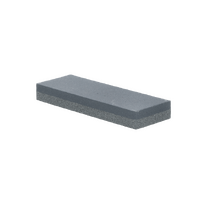
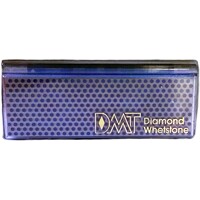
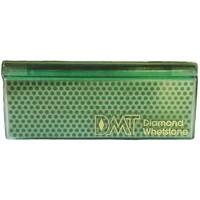
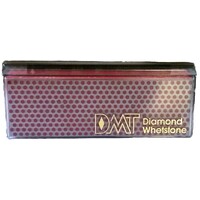
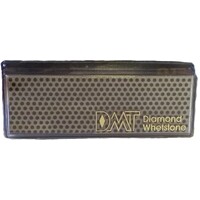
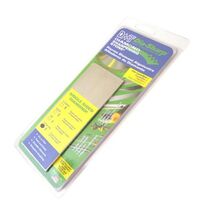
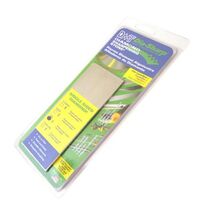
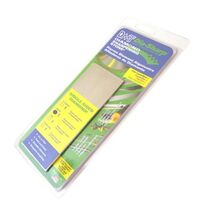
A sharp knife is a safe knife, and the stone is where sharpness comes from. MARS Safety stocks professional sharpening stones for butchers, boners, chefs, woodworkers and trades: Norton Bear oil stones, DMT diamond whetstones, and Japanese water stones up to premium options like the Naniwa Super Stone and Amakusa natural stone. We've supplied Brisbane's food processing industry since 1989, so the range is built around what working blades need, from coarse 300-grit repair stones through to fine finishing grits, including convenient dual-sided combinations like the 300/1000.
- Norton Bear, DMT and Japanese water stones in stock
- Full grit range: 300-grit repair through to fine polishing stones
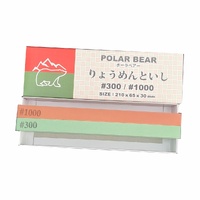
- Dual-sided combination stones like the #300/1000 for one-stone setups
- Supplying professional kitchens and processing floors since 1989
- Fast shipping Australia-wide, with bulk pricing available
Not sure which stone suits your blades? Call MARS Safety on 07 3205 7211 for advice
Choosing the right sharpening stone
Start with grit
Grit is the whole decision for most buyers. Coarse stones around 300 grit remove metal fast: chips, rolled edges and blades that have been let go too long. Medium stones (around 1000 grit) are the everyday workhorse that takes a dull edge back to sharp. Fine and extra-fine stones refine that edge to a polish for slicing work. If you're buying one stone, buy a dual-sided combination like the #300/1000: repair on one face, sharpen on the other.
Then pick your stone type
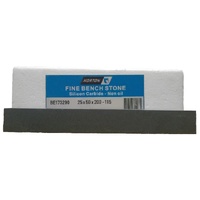
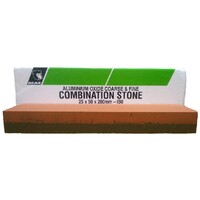
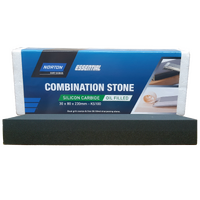
Oil stones like the Norton Bear range are the traditional trade choice: hard-wearing, flat-staying and forgiving, lubricated with oil. Water stones, including the Japanese stones we stock, cut faster and produce the refined edges chefs prize, soaked or splashed with water and dressed flat periodically. Diamond stones like DMT's plates cut fastest of all, never hollow, and need only water, the pick for very hard steels and for people who sharpen a lot and flatten never. Non-oil aluminium oxide stones give a budget-friendly middle path at $9 +GST.
Stones for the professional cutting floor
Most of our sharpening stone customers aren't hobbyists: they're boning rooms, butcher shops and commercial kitchens where knives are sharpened daily and a poor edge slows the whole line. That shapes what we stock, stones that survive daily professional use, and it's why the stones sit alongside our sharpening steels, knives and cut-resistant gloves. Sharpen the knife, steel it through the shift, and glove the hand that isn't holding it: that's the system that keeps processing floors safe.
Buying from MARS Safety
- Family-owned Brisbane supplier to the food processing industry since 1989
- Fast Australia Post shipping nationwide, express options available
- Bulk pricing for processing sites buying stones across a floor
- Real product advice: call and describe your blades, we'll match the stone
- Authorised repair centre for Chainex and Niroflex mesh, your whole cutting-safety setup in one place
Frequently Asked Questions
What grit sharpening stone should I buy first?
A dual-sided combination stone, the #300/1000 is the classic, covers most needs: 300 grit for repairing chips and reviving neglected blades, 1000 grit for regular sharpening. Add a fine finishing stone later if you want polished slicing edges. If your knives are maintained often and never abused, a 1000-grit alone can carry you.
Oil stone or water stone: which is better?
Neither is better; they suit different users. Oil stones like Norton Bear wear slowly, stay flat and forgive rough technique, ideal for trade environments. Water stones cut faster and produce finer edges but dish sooner and need flattening. Diamond plates split the difference: fastest cutting, never hollow, just dearer up front.
What's the difference between a sharpening stone and a steel?
The stone sharpens; the steel maintains. A stone removes metal to create a fresh edge. A steel realigns that edge between sharpenings, which is why butchers steel constantly through a shift but stone far less often. You need both: the stone sets the edge, the steel keeps it working.
How do I stop my water stone dishing in the middle?
Use the whole surface as you sharpen rather than the centre strip, and flatten the stone periodically with a lapping plate or a coarser stone. Dishing is normal wear on water stones, faster on softer, finer stones, and a flat stone is the difference between a consistent edge and a rounded one.
Do you offer bulk pricing for a processing site?
Yes. If you're outfitting a boning room or kitchen with stones, steels, knives or cut protection across a team, call us for bulk pricing. Supplying processing floors has been our core business since 1989, and we can put together a standing order so consumables never run short mid-season.