
Honing Steel vs Sharpening Steel: What’s the Difference & Which Do You Need
Date Posted:13 January 2026
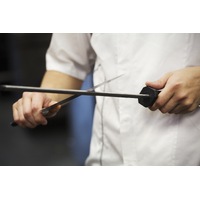

Wondering about the difference between honing steel and sharpening steel? These tools look alike but serve unique purposes in knife maintenance. A sharpening steel removes metal to create a new edge on blunt knives. Your honing steel, however, just realigns the edge without removing material.
Professional chefs reach for their honing steel before cooking big meals to keep their knives performing at their best. Sharpening happens less often. Using the wrong tool at the wrong time can impact your knife's lifespan. Home cooks often mix up these terms and end up caring for their knives incorrectly.
Understanding the right time to hone or sharpen can substantially extend your favourite kitchen knives' life. In this piece, we'll explore these tools' differences, show you proper techniques, and help you pick the right one for your kitchen.
Understanding the Core Difference
The way you maintain your knives depends on the difference between honing and sharpening. These tools might look alike, but they serve completely different purposes.
Honing vs Sharpening: What Each Tool Does
People often mix up honing and sharpening in their kitchens. Honing realigns your knife's edge without taking off much metal. Your knife's blade develops tiny bends along its edge with use. This makes it feel dull, even though the edge is still there. A quick hone pushes these microscopic teeth back where they belong.
Sharpening works differently - it removes material from the blade to create a brand new edge. You'll need to sharpen your knife when it gets too dull or damaged. The process grinds away a bit of the blade's metal to reshape it into a sharp cutting surface.
Does Honing Steel Sharpen Knives?
Let's clear up a common mix-up: a honing steel won't sharpen your knives. Some people call it a "sharpening steel," but this tool straightens the existing edge without removing any metal. Your knife feels sharper because the edge lines up better, not because you've created a new one.
Your first step should be honing when your knife starts to feel dull. You'll know it's time to sharpen when honing doesn't help anymore.
Sharpening Steel vs Honing Steel: Key Functional Differences
Materials, function, and use frequency set these tools apart. A honing steel comes with steel rated around 65 Rockwell. A sharpening steel contains abrasive materials like ceramic or diamond particles that grind away knife material.
Professional chefs might hone their knives before each use, while home cooks might do it weekly. Sharpening happens nowhere near as often - most home cooks only need to sharpen once or twice yearly since it wears down the knife.
These tools affect your knife differently. Honing keeps the edge straight between sharpenings, which means you won't need to sharpen as often. Sharpening gives you a completely new edge when honing stops working.
Both tools play vital roles in knife care, just at different times in your knife's life and with different goals in mind.
How Each Tool Works
The way honing and sharpening tools work reveals their unique roles. Learning about their mechanical processes helps you maintain knives the right way.
How Honing Steel Realigns the Edge
A honing steel straightens tiny teeth along a knife's edge that bend as you use it. The steel rod doesn't cut into the blade - it just pushes these small metal projections back where they belong. The hard steel rod meets the softer knife edge and helps realign it without losing much material. You could think of it as smoothing rather than grinding since the rod fixes the edge's direction. The knife works better right after honing because its edge stands up straight again.
How Sharpening Steel Removes Material
Sharpening steel works differently from honing steel because it takes metal off the knife blade. The knife's edge runs along the rough surface and loses tiny bits of metal. This creates a completely new edge instead of fixing the old one. The rough materials on sharpening steel work like fine sandpaper and grind away metal to make a fresh cutting surface. You'll need to sharpen your knife when honing doesn't work anymore.
Material Types: Steel, Ceramic, and Diamond
Regular honing steels come with chromium plating and have about 65 Rockwell hardness. Ceramic rods look white or light-colored and mostly realign the edge while taking off very little material. Diamond steels are usually the most aggressive, with millions of diamond particles stuck to their surface. These diamond coatings can fix dull edges quickly, but you need to be careful not to remove too much material. Each type works best for different situations, depending on your knife's condition.
Angle and Pressure: Why Technique Matters
The right technique makes the difference between good maintenance and damage. Western knives need about 15-20 degrees against the steel. Japanese knives work better at 10-15 degrees. You should use light to moderate pressure - just enough to touch the edge without forcing it. Too much pressure can remove excess material or leave uneven edges, especially with diamond steels. A consistent angle throughout each stroke ensures your blade gets even treatment. Getting the right angle matters more than speed with either tool.
When and How Often to Use Each
The right timing of knife maintenance affects both performance and longevity. You can save time and keep your blade's quality intact by knowing the right tool to use.
How Often Should You Hone Your Knife?
Professional chefs hone their knives daily, but home cooks can follow a more relaxed schedule. Honing before each major cooking project will give optimal performance. Making honing part of your pre-cooking ritual helps keep the microscopic edge properly arranged. You can safely add it to your routine whenever you notice small drops in performance since honing just realigns rather than removes material.
How Often Should You Use Sharpening Steel?
You should use sharpening steel much less often than honing steel. Most home cooks find twice-yearly sharpening sufficient, while professional kitchens might need monthly sessions. Sharpening removes blade material, so using it too much will gradually reduce your knife's width. You should only use the sharpening steel when honing stops improving performance. This balanced approach helps your knife last longer.
Signs Your Knife Needs Honing vs Sharpening
These indicators help you decide which maintenance your knife needs:
- Honing needed: Knife feels slightly dull but cuts with extra pressure; blade looks slightly uneven under light; paper cutting test shows mixed results
- Sharpening needed: Knife doesn't deal very well with tomato skin; blade feels very dull even after honing; visible nicks or damage along the edge; cutting makes a scraping sound against the board
Knife Type Matters: Japanese vs German Steel
Japanese knives made from harder steel stay sharp longer and need less frequent honing. These blades work best with whetstones instead of traditional honing steels because of their hardness. German knives have softer steel that needs regular honing but less frequent sharpening. Traditional steel honing rods might damage Japanese knives unless you use ceramic or diamond honing rods. Your knife's composition determines the right maintenance schedule.
Techniques, Safety, and Maintenance
Good knife-handling techniques protect your knives and fingers. These skills help your tools last longer and keep you safe.
How to Use Honing Steel Safely
You should place the honing steel tip-down on a cutting board. This is the safest way to start. Keep the steel steady with your non-dominant hand and control the knife with your dominant hand. Your knife's heel should rest near the steel's top at a 14-20 degree angle (10 degrees for Japanese knives). Pull the blade down toward you with gentle pressure and keep the same angle all the way. You need to repeat this 2-3 times on each side of the blade to maintain it well.
How to Use Sharpening Steel Correctly
Sharpening steel works like honing but needs very light pressure. Keep proper angles - 20 degrees works for Western knives, while Japanese blades need 15 degrees. Make smooth, controlled pulls across the steel. Your consistency matters more than speed because uneven pressure will create bad edges. Make sure to clean your knife well after to remove any metal bits.
Cleaning and Storing Your Steels
Ceramic rods need mild abrasive cleaners or a ceramic "eraser" to clean off metal buildup. Regular wiping keeps steel rods clean, but they need occasional cleaning with a soft brush and detergent. Let them dry completely before storing. Your steel should stay upright in knife blocks or protective sheaths to avoid damage, especially with delicate ceramic rods.
Common Mistakes to Avoid
Common errors include:
- Too much pressure (especially with diamond steels)
- Changing angles during strokes
- Not cleaning the steel between uses
- Using honing steel on badly damaged edges
- Too frequent use of ceramic or diamond steels
Conclusion
The difference between honing steel and sharpening steel is crucial to maintaining knives properly. These tools might look alike, but they do completely different jobs. Honing steel puts the microscopic teeth on a knife's edge back in place without removing any metal. Sharpening steel works differently - it grinds away metal to create a fresh cutting edge.
Professional chefs know this well. That's why they use honing steel on their knives before major cooking tasks, but sharpen them nowhere near as often. This smart approach helps knives last much longer. Many home cooks mix up these terms, and this confusion can damage their blades.
Using either tool requires the right technique. You'll get the best results by applying light pressure, keeping consistent angles, and cleaning the tools after use - all without damaging the knife. Japanese knives need different care than their German counterparts because of their harder steel. This matters when you set up your maintenance routine.
Both tools play key roles in complete knife care. Daily honing keeps knives working their best between sharpenings. Sharpening steel steps in when blades stop responding to honing. Serious cooks should learn how these tools work together instead of picking just one.
Next time your knife feels dull, take a moment to figure out if it needs realignment or a fresh edge. Your knives will work better and last longer. Good knife care shows you value cooking efficiency and appreciate quality kitchen tools.
Keep your knives performing at their best with professional-grade honing and sharpening tools from Metal Apparel Repairs and Sales. Explore our range and invest in knife care equipment that extends blade life, boosts performance, and delivers safer, more efficient cutting every day. Contact our friendly team today for advice or support.
FAQs
Q1. What's the main difference between honing and sharpening steel?
Honing steel realigns the microscopic teeth on a knife's edge without removing material, while sharpening steel actually grinds away metal to create a new edge.
Q2. How often should I use a honing steel on my knives?
For home cooks, it's recommended to hone your knives before each major cooking project or whenever you notice a slight decrease in performance. Professional chefs often hone their knives daily.
Q3. When should I use a sharpening steel instead of a honing steel?
Using a sharpening steel when honing no longer improves your knife's performance. For most home cooks, this might be once or twice a year, while professional kitchens might require monthly sharpening.
Q4. Are ceramic honing rods better for Japanese knives?
Yes, ceramic honing rods are generally better for Japanese knives, which are typically made of harder steel. Traditional steel honing rods may be too soft and potentially damage Japanese knife edges.
Q5. What's the proper technique for using a honing or sharpening steel?
Hold the steel vertically with the tip on a cutting board. Position the knife at a 15-20 degree angle (10 degrees for Japanese knives) and draw it down and across the steel with light, consistent pressure. Repeat 2-3 times on each side of the blade.